
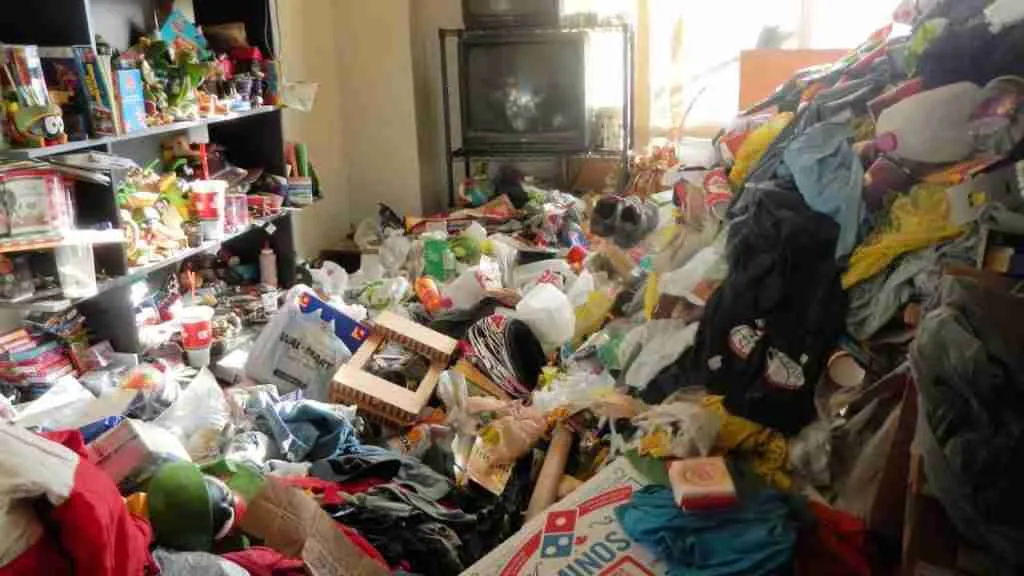
Behind every hoarded home is a person who needs help, not judgment. The clutter did not pile up overnight, and it will not disappear overnight either. But it can be cleared safely with the right plan through a proper Hoarding Clean Up process. Hoarding affects an estimated 2.5% of the population, and the health risks inside these homes are serious: mould, pests, blocked exits, and contaminated air. If you are helping a loved one or facing this yourself, a structured clean-up makes the difference between a fresh start and a failed attempt. Here is how to approach it from start to finish.
Hoarding and Its Impact on Health
Hoarding disorder is a recognized mental health condition where a person has persistent difficulty discarding possessions, leading to clutter that disrupts daily living. It is different from being messy or disorganized.
Physical Health Risks
A hoarded home creates dangers that worsen over time. The most common physical threats include:
- Mould growth behind and beneath piles of items, especially in kitchens and bathrooms.
- Pest infestations from rodents, roaches, and bedbugs nesting in undisturbed clutter.
- Biohazards such as rotting food, animal waste, and contaminated surfaces.
- Poor air quality from dust, allergens, and chemical fumes trapped in unventilated spaces.
- Fall and fire hazards from blocked pathways, overloaded electrical outlets, and stacked items near heat sources.
Emotional And Mental Health Effects
The person living in a hoarded home often experiences shame, anxiety, and social isolation. Family members frequently feel frustrated, helpless, or angry. These emotional layers make clean-up harder and must be handled with care throughout the process.
Preparing for a Safe Hoarding Clean Up
Jumping in without preparation leads to burnout, injury, or conflict. Proper planning protects everyone involved and keeps the process moving forward.
Assessing The Situation
Walk through the home and note blocked exits, structural concerns like sagging floors, visible biohazards, and the overall severity of clutter. This assessment determines whether the job can be handled by the family or requires professional help.
Protecting Your Health
Safety gear is non-negotiable. Everyone entering the home should wear the following:
- Heavy-duty gloves to protect against sharps, chemicals, and contaminated materials.
- N95 respirators or masks to filter dust, mould spores, and airborne bacteria.
- Protective clothing or disposable suits to avoid direct contact with contaminated surfaces.
Open windows and doors for ventilation before starting any work. Have a first aid kit and a phone nearby at all times.
Planning The Clean Up
Create a room-by-room plan with a realistic timeline. Arrange disposal in advance by booking a dumpster, scheduling a bulk pick up, or contacting donation centres. Assemble a support team of trusted family members, friends, or volunteers who can commit to the full schedule.
Step-by-Step Hoarding Clean-Up Process
Breaking the work into clear steps keeps the process manageable and prevents the overwhelm that causes most clean-ups to stall.
Step 1: Clear Pathways And Exits First
Start by opening safe routes through the home. Clear hallways, doorways, and stairways so everyone can move freely and exit quickly in an emergency. This immediately reduces fire and fall risk.
Step 2: Sorting And Decision Making
Set up four clearly labelled zones: keep, donate, recycle, and trash. Begin sorting in the least emotional area of the home, such as a hallway or spare room. Save personal or sentimental spaces for later when the process feels more manageable. Involve the person living in the home in every decision when possible.
Step 3: Remove And Dispose Of Clutter Safely
General trash goes to the dumpster or curb. Donations should be clean and usable. Recyclables get separated according to local rules. Handle hazardous materials like sharps, chemicals, expired medications, and animal waste with extra caution and dispose of them through proper channels.
Step 4: Deep Cleaning And Disinfection
Once clutter is removed, clean every surface thoroughly. Floors, walls, countertops, kitchen appliances, bathroom fixtures, and soft surfaces all need attention. Use disinfectants to kill bacteria and mould. Address lingering odours with enzyme-based cleaners or professional odour removal if needed.
Step 5: Organizing For Healthier Daily Living
Set up simple, easy-to-maintain storage systems. Keep surfaces clear. Create functional zones for cooking, sleeping, bathing, and relaxing. The goal is a home that supports daily routines without creating new piles.
Healthier Living After the Clean Up
The clean-up is only the beginning. Maintaining a safe, livable home takes daily effort and the right habits.
Air Quality, Hygiene, And Safety
Open windows regularly for fresh air circulation. Respond to leaks, moisture, or mould immediately before they grow. Keep pathways, exits, and key rooms clear at all times.
Daily And Weekly Habits
Small, consistent routines prevent clutter from returning. Effective maintenance habits include:
- A 10-minute daily declutter session focused on one surface or area.
- The one-in-one-out rule, where every new item means one old item leaves.
- Mail and paper are controlled by sorting and discarding daily instead of stacking.
- A weekly reset where each room gets a quick tidy and surfaces are cleared.
Reducing Relapse Risk
Visual cues like labelled bins, a wall calendar with cleaning reminders, and small weekly goals help keep the home livable without feeling overwhelming. Progress photos from the clean-up serve as powerful motivation during difficult moments.
Emotional Considerations and Working With Hoarders
Empathy is the foundation of a successful cleanup. Approaching the person with shame, anger, or impatience almost always leads to resistance and conflict.
Why Respect Matters
Build trust by asking before discarding anything. Let the person set the pace when possible. Acknowledge how hard the process is without minimizing their feelings. Clean up done with the person works far better than clean up done to them.
Supporting Family Members
Caregivers and family members need boundaries, too. Share the workload. Take breaks. Talk to someone about your own stress and frustration. You cannot help effectively if you are burned out.
When to Call Professional Hoarding Clean Up Services
Some situations are beyond what family and friends should handle on their own. Call a professional team if you encounter any of these:
- Biohazards include animal remains, human waste, or heavy mould growth.
- Structural risks such as damaged floors, ceiling damage, or unstable piles.
- Severe emotional distress where the person cannot participate without professional support.
- Legal or landlord pressure with deadlines that require fast, thorough results.
Professional hoarding clean-up teams provide full assessments, custom plans, biohazard handling, deep cleaning, and discretion. Look for providers with hoarding-specific experience, biohazard certifications, mental health awareness training, and aftercare options that support long-term maintenance.
Conclusion
A hoarding clean-up done right restores safety, health, and dignity to a home that had lost all three. It takes planning, patience, empathy, and follow-through. But every cleared room, every opened window, and every clean surface brings the person one step closer to a life that feels manageable again.
Professionals such as LifeCycle Transitions walk beside families through every stage of that journey. The trained, compassionate crews handle everything from the first walk-through to final deep cleaning, with the sensitivity and discretion that hoarding situations demand. They do not rush, do not judge. They show up, listen, and help people reclaim their homes and their health.
Reach out to experts whenever you are ready to take that first step.